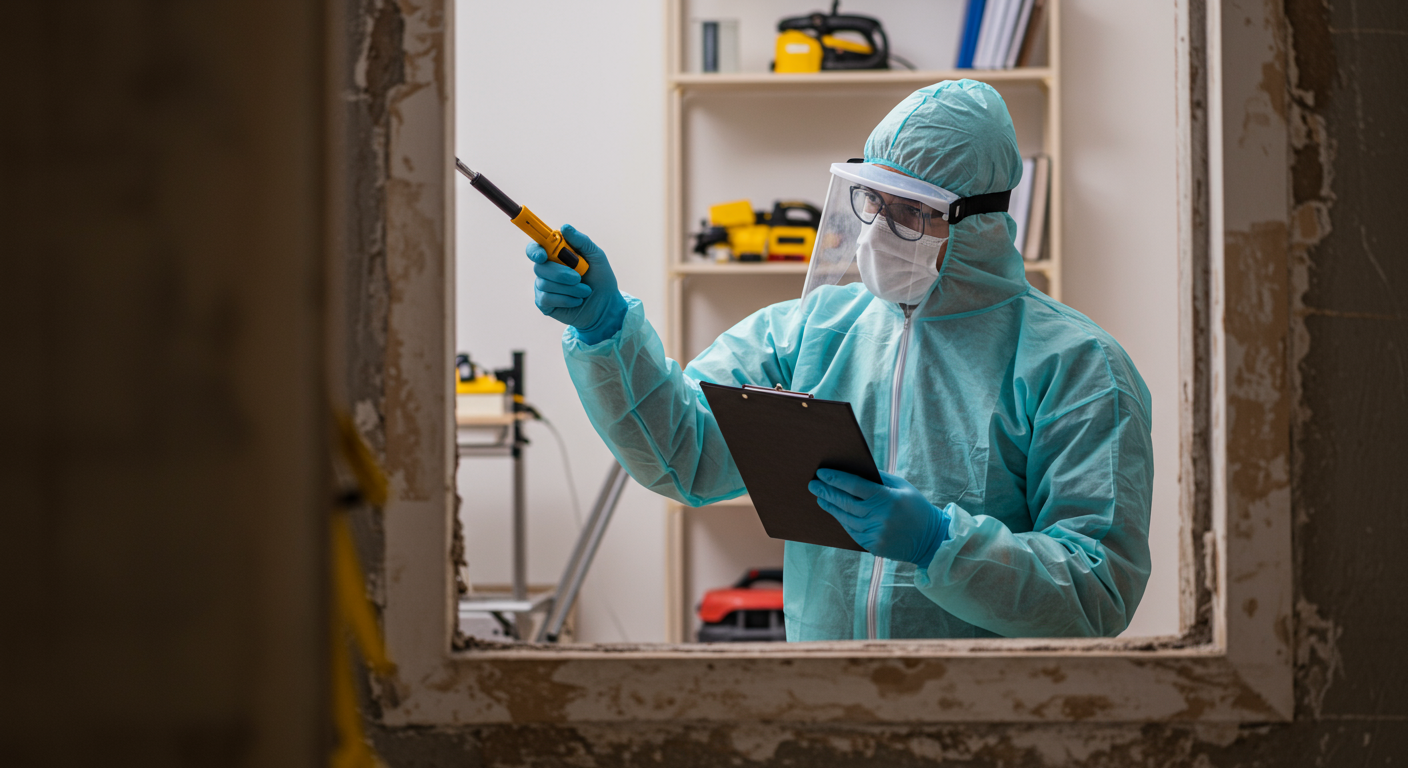
Mold is a common issue for homeowners in St. Petersburg, FL, due to the region’s humid and warm climate. While it might seem like a minor inconvenience, mold can pose serious health risks and cause significant damage to your home if left unchecked. This article will explore the causes of mold growth, its health implications, detection methods, and effective prevention and remediation strategies to help you maintain a safe and healthy living environment.
What is Mold and Why Does it Grow in St. Petersburg?
Mold is a type of fungus that thrives in damp, humid environments. In St. Petersburg, the combination of high humidity levels and frequent rain creates the perfect conditions for mold growth. Homes with poor ventilation, water leaks, or inadequate moisture control are particularly vulnerable.
Types of Mold Commonly Found in Florida Homes
Some of the most common types of mold found in Florida homes include:
- Aspergillus: Often found in air conditioning systems.
- Cladosporium: Grows on wood, carpets, and fabrics.
- Stachybotrys (Black Mold): Thrives in areas with prolonged moisture, such as basements or bathrooms.
Understanding the types of mold can help homeowners identify and address the problem more effectively.
Conditions Favoring Mold Growth in Humid Climates
Mold requires three key conditions to grow:
- Moisture: From leaks, condensation, or high humidity.
- Organic Material: Such as wood, drywall, or upholstery.
- Warm Temperatures: Mold grows best in temperatures between 77°F and 86°F.
In St. Petersburg, these conditions are often met, making mold prevention a critical task for homeowners.
Health Risks Associated with Mold Exposure
Mold exposure can have a range of health effects, from mild allergic reactions to severe respiratory issues. Understanding these risks is essential for protecting your family.
Allergic Reactions and Respiratory Issues
Mold spores can trigger allergic reactions, including sneezing, runny nose, and itchy eyes. Prolonged exposure may lead to more severe respiratory problems, such as asthma attacks or chronic sinus infections.
Vulnerable Populations: Who is Most at Risk?
Certain groups are more susceptible to mold-related health issues, including:
- Children and the Elderly: Their immune systems are less robust.
- Individuals with Respiratory Conditions: Such as asthma or chronic obstructive pulmonary disease (COPD).
- Immunocompromised Individuals: Those undergoing chemotherapy or living with autoimmune diseases.
By addressing mold issues promptly, you can mitigate these health risks and create a safer home environment.
How to Detect Mold in Your Home
Detecting mold early can prevent extensive damage and health problems. Here are some tips to identify mold growth in your home.
Signs of Mold Growth: What to Look For
Common indicators of mold include:
- Musty Odors: A persistent, earthy smell.
- Visible Mold: Black, green, or white patches on walls, ceilings, or floors.
- Water Damage: Stains or discoloration on walls and ceilings.
Using your senses to detect these signs can help you identify mold before it spreads.

When to Consider Professional Mold Inspection
If you suspect mold but cannot locate it, or if the affected area is larger than 10 square feet, it’s best to hire a professional mold inspection service. Experts use advanced tools like moisture meters and thermal imaging to detect hidden mold.
Effective Mold Prevention and Cleanup Strategies
Preventing mold is more cost-effective and less stressful than dealing with an infestation. Here are some practical tips for mold prevention and cleanup.
Tips for Reducing Indoor Humidity
Controlling indoor humidity is key to preventing mold growth. Here’s how:
- Use Dehumidifiers: Especially in damp areas like basements.
- Improve Ventilation: Open windows and use exhaust fans in kitchens and bathrooms.
- Fix Leaks Promptly: Repair any plumbing or roof leaks immediately.
By maintaining indoor humidity levels below 60%, you can significantly reduce the risk of mold growth.
Steps for Safe Mold Cleanup: DIY vs. Professional Help
For small mold infestations, you can clean the area yourself using the following steps:
- Wear protective gear, including gloves and a mask.
- Use a mixture of water and detergent to scrub the affected area.
- Dry the area thoroughly to prevent regrowth.
For larger infestations or toxic molds like Stachybotrys, it’s best to hire professional mold remediation services. Professionals have the expertise and equipment to safely remove mold and prevent future outbreaks.
For more insights on professional mold removal, check out Expert Mold Removal Services in Miramar, FL: Your Guide to a Safe and Healthy Home.
Conclusion
Mold in your St. Petersburg home is not just an aesthetic issue—it’s a health and safety concern. By understanding the causes of mold growth, recognizing the signs, and implementing effective prevention and cleanup strategies, you can protect your home and family from its harmful effects. Whether you choose to tackle mold yourself or hire professionals, taking action promptly is crucial.
Don’t wait until mold becomes a serious problem. Stay proactive, and ensure your home remains a safe and healthy environment for years to come.